By DLFJR Designs | November 2026
Have you ever looked at a 3D-printed dragon, personalized keychain, holiday decoration, or unique gift and wondered how it was made?
At DLFJR Designs, we turn creative ideas into real products using 3D printing technology. From colorful decorations and articulated toys to personalized gifts and practical everyday items, there’s something exciting about watching an idea come to life.
But there’s much more to 3D printing than simply pressing a button!
Today, we’re taking you behind the scenes to explain how 3D printing works, what goes into making our products, and how you can get started yourself.
What Is 3D Printing?
3D printing is a manufacturing process that creates physical objects from digital designs.
At DLFJR Designs, we use a method called Fused Deposition Modeling (FDM).
Here’s how it works:
- Choose a design. A digital 3D model is created or selected.
- Prepare the model. Special software called a slicer converts the design into instructions the printer can follow.
- Load the filament. Plastic filament is fed into the printer and heated.
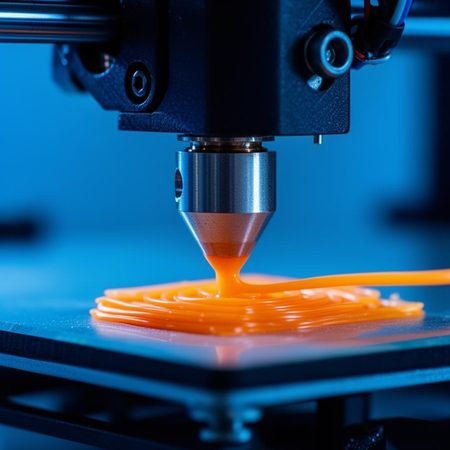
- Start printing. The printer deposits melted plastic in thin layers.
- Build the object. Each layer is placed on top of the previous one until the object is complete.
Depending on the size and complexity of the design, a print can take anywhere from a few minutes to many hours.
Multicolor printing can take even longer because the printer must switch between different filament colors throughout the process.
What Goes Into Making Our Products?
When you purchase a 3D-printed item from DLFJR Designs, you’re getting more than just a piece of plastic.
Every product involves preparation, materials, machine time, and attention to detail.
Step 1: Finding or Creating the Design
Some products begin with our own creative ideas and customizations. Others are made using designs from talented creators who permit commercial printing.
We carefully select designs that we believe our customers will enjoy.
Step 2: Preparing the Print
Before printing, we use software to determine important settings such as layer height, strength, colors, printing speed, and supports.
These settings can make a big difference in the final appearance of the product.
Step 3: Printing the Product
Our printers build each item one layer at a time.
Some products require thousands of individual layers, and a complicated design can take several hours to complete.
We use Bambu Lab 3D printing equipment for our projects.
Step 4: Inspecting the Finished Product
After printing, we inspect the item, remove supports when necessary, and clean up any imperfections.
Sometimes a print doesn’t turn out exactly as expected. When that happens, we adjust our settings and try again.
That’s part of the craftsmanship and learning involved in 3D printing.
Why Do Some 3D-Printed Products Have Lines?
One of the most common things people notice about 3D-printed items is the presence of fine lines on their surfaces.
These are called layer lines.
Because FDM printers build objects in individual layers, some lines are a normal part of the process.
We work to produce attractive, quality prints, but minor layer lines are a natural characteristic of this technology.
Interested in Trying 3D Printing Yourself?
One of the best things about modern 3D printing is that it’s becoming easier for beginners to enjoy.
You don’t need to be an engineer or an expert in computer design to get started.
With the right equipment, some patience, and a willingness to learn, you can begin creating your own projects at home.
Here are a few things you’ll need.
1. A Beginner-Friendly 3D Printer
Your first major decision is choosing a printer.
There are many models available, from basic entry-level machines to more advanced systems that can print in multiple colors.
At DLFJR Designs, we use Bambu Lab printers and enjoy the flexibility they provide.
For beginners, look for a printer that offers automatic bed leveling, easy-to-use software, and a helpful online community.
You don’t necessarily need the most expensive machine to get started.
2. PLA Filament: Your First Printing Material
One of the most popular materials for beginners is PLA filament.
PLA is relatively easy to print and comes in an enormous variety of colors.
It’s excellent for making decorations, small toys, display pieces, and many everyday projects.
Our Amazon Recommendation: PLA Filament
PLA is an excellent starting material while you’re learning how your printer works.
3. A Basic 3D Printing Tool Kit
Once your printer finishes a project, you may need a few tools to remove supports or clean up the finished object.
A basic 3D printing tool kit can include flush cutters, deburring tools, and other helpful accessories.
Our Amazon Recommendation: 3D Printing Tool Kit
Shop 3D Printing Tool Kit on Amazon
These tools can make finishing your prints easier. Always follow appropriate safety precautions when using sharp tools.
4. Digital Calipers for Accurate Measurements
Digital calipers are especially useful when you begin creating or modifying your own designs.
They allow you to measure objects accurately and help when you’re making parts that need to fit together.
For example, if you’re designing a custom holder or replacement part, even a small measurement difference can affect how well everything fits.
Our Amazon Recommendation: Digital Calipers
Shop Digital Calipers on Amazon
You may not need calipers for your first print, but they’re a great addition as your skills develop.
5. Keeping Your Filament Dry
Something many beginners don’t realize is that 3D printing filament can absorb moisture from the air.
Too much moisture can lead to printing problems, including inconsistent extrusion and poor surface quality.
Proper filament storage can help protect your materials.
A sealed storage container with desiccant is a practical way to help keep filament dry between projects.
Our Amazon Recommendation: Filament Storage
Shop Filament Storage on Amazon
Keeping your materials organized and protected can save frustration as your filament collection grows.
Affiliate Disclosure: As an Amazon Associate I earn from qualifying purchases. The Amazon product links in this article are affiliate links, which means DLFJR Designs may earn a commission at no additional cost to you.
Where Can You Find Things to Print?
You don’t have to design every object yourself.
There are websites where people share thousands of digital 3D models.
Two popular options are:
- MakerWorld — https://makerworld.com
- Printables — https://www.printables.com
You’ll find everything from simple decorations to more complicated mechanical projects.
Many designs are available for free personal use.
However, it’s important to remember that downloading a design doesn’t automatically give you permission to sell physical copies.
Always check the designer’s licensing requirements.
Is 3D Printing Expensive?
Like many hobbies, 3D printing can be as simple or as elaborate as you choose.
The printer itself is generally the biggest initial investment.
After that, your ongoing expenses include filament, electricity, maintenance, and occasional replacement parts.
A standard 1-kilogram spool of PLA can produce numerous smaller items, depending on the design and amount of material required.
Our advice for beginners is simple:
Start with one printer, learn the basics, and expand only when you’re ready.
You may be surprised by how much you can create with a relatively simple setup.
Can You Turn 3D Printing Into a Small Business?
Yes! Many people begin 3D printing as a hobby and eventually discover opportunities to sell their creations.
But running a 3D printing business involves more than owning a printer.
You need to consider material costs, printing time, equipment maintenance, product quality, packaging, licensing, and customer service.
It’s also important to understand applicable product safety requirements and intellectual property rules.
At DLFJR Designs, we’re continually learning, experimenting, and discovering new ways to bring creative products to our customers.
Why Purchase From DLFJR Designs?
Not everyone wants to purchase a printer, learn new software, or spend hours experimenting with printing settings.
And that’s perfectly understandable!
We enjoy that process.
Our goal is to provide unique, creative, and enjoyable products without requiring our customers to own 3D printing equipment.
Whether you’re shopping for a personalized gift, a seasonal decoration, a fun desk accessory, or something completely different, we’re always exploring new ideas.
Ready to Explore the World of 3D Printing?
Whether you’re interested in starting your own 3D printing hobby or simply enjoy discovering creative products, we hope this article has given you a better understanding of how everything works.
3D printing combines technology, creativity, problem-solving, and a little patience.
And there’s something truly satisfying about watching an idea become a real object.
Thank you for supporting DLFJR Designs!
Visit DLFJRDesigns.com to explore our growing selection of 3D-printed gifts, decorations, toys, and accessories.
Be sure to check back for more behind-the-scenes articles, printing tips, and creative ideas.
DLFJR Designs — Bringing Creative Ideas to Life.
Affiliate Disclosure: As an Amazon Associate I earn from qualifying purchases. Some links in this article are affiliate links. DLFJR Designs may receive a commission when you make a qualifying purchase, at no additional cost to you.